
Fiberglass Cloth
Description
Fiberglass cloth is a type of fabric made from woven glass fibers, which are known for their strength, durability, and resistance to various environmental factors.
Composition and Characteristics
1. Material: Fiberglass cloth is primarily composed of glass fibers, which are made by melting glass and drawing it into thin strands. These strands are then woven into a fabric.
2. Strength and Durability: The glass fibers provide the cloth with exceptional tensile strength and durability. This makes it resistant to tearing and abrasion.
3. Heat Resistance: Fiberglass cloth can withstand high temperatures without degrading, making it suitable for applications involving heat exposure.
4. Chemical Resistance: It’s resistant to many chemicals and solvents, which allows it to be used in harsh environments.
5. Electrical Insulation: The material has excellent electrical insulating properties, making it useful in electrical and electronic applications.
6. Non-Flammability: Fiberglass is non-flammable, which enhances safety in various applications.
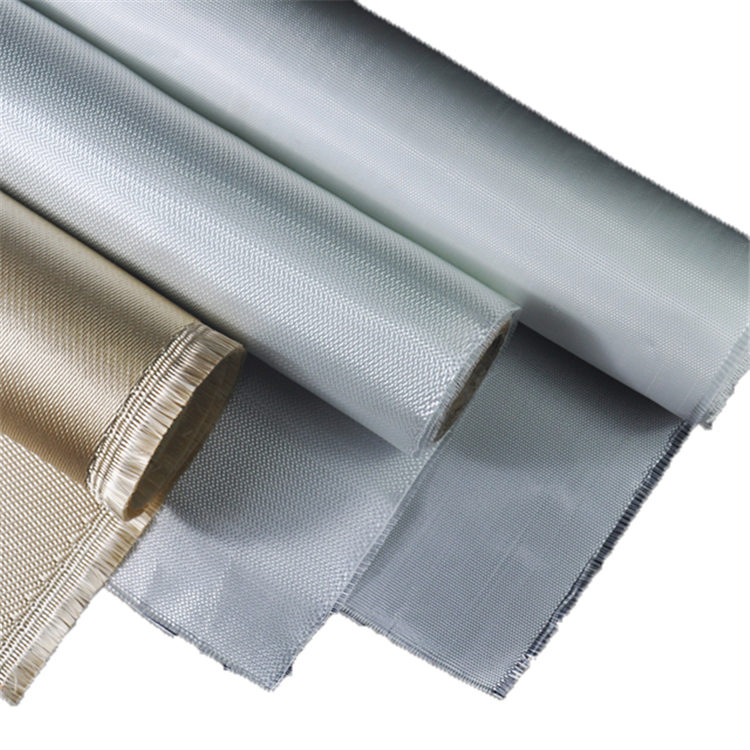
Specification
>> Thickness: 0.20mm ~ 3.0mm
>> Width: 1000mm~3000mm
>> Normal Width: 1000mm,1200mm, 1500mm, 1800mm, 2000mm
>> Weave: Plain , Twill, Satin.
>> Color: White, Tan
>> Packing: Plastic Films or Cartons , Pallets
>> Roll Length: 50m / 100m / 500m / 1000m /Customized
Application
1. Composite Materials: Fiberglass cloth is often used as a reinforcement in composite materials. It’s combined with resins (like epoxy or polyester) to create strong, lightweight materials used in automotive parts, boat hulls, and aircraft components.
2. Insulation: It’s used in thermal and acoustic insulation applications, such as in building insulation, pipe insulation, and insulation in industrial equipment.
3. Electrical Insulation: The cloth is used for insulating electrical components and wires, providing protection against electrical current and high temperatures.
4. Protective Covers: It serves as a protective cover for equipment and machinery, shielding them from heat, chemicals, and physical damage.
5. Reinforcement in Repairs: Fiberglass cloth is commonly used in repair work, such as patching up cracks in boats, cars, and other structures. The cloth is applied with resin to create a strong, durable repair.
6. Architectural Applications: In construction, fiberglass cloth can be used in coatings and finishes, offering a durable and weather-resistant surface.
Fiberglass cloth is valued for its strength, resistance to heat and chemicals, and versatility, making it a valuable material in numerous industrial, commercial, and residential applications.
Recommended Specification
| Product Code | Total Weight | Thickness | |
| SJM-7628 | 200G/m² | 5.90oz/yd² | 0.18mm |
| SJM-3732 | 430G/m² | 12.70oz/yd² | 0.43mm |
| SJM-660 | 640G/m² | 18.90oz/yd² | 0.60mm |
| SJM-3784 | 840G/m² | 24.85oz/yd² | 0.80mm |
| SJM-TX1000 | 800G/m² | 24.00 oz/yd² | 1.00mm |
| SJM-TX1500 | 1000G/m² | 30.00 oz/yd² | 1.50mm |
| SJM-TX3000 | 1800G/m² | 53.1oz/yd² | 3.00mm |